

Continental vs Michelin
467 tests professionnels en commun : Continental a terminé devant dans 282, Michelin dans 169, et 16 se sont soldés par une égalité. Les propriétaires notent Michelin 8,1 et Continental 7,5 sur 10, sur 7 310 avis.
La réponse en bref
 Continental
Premium · 131 pneus en vente · Continental Group
 Michelin
Premium · 171 pneus en vente · Michelin Group
Michelin mène dans plus de catégories que nous mesurons. Établi à partir de tous les tests professionnels auxquels les deux marques ont participé et de tous les avis de propriétaires relus à la main que nous détenons sur leurs pneus - les preuves sont plus bas sur la page. Données mises à jour le 30 octobre 2026.

Continental contre Michelin en un coup d'œil
Continental and Michelin are both premium brands with deep testing histories - Continental (Germany, founded 1871) and Michelin (France, founded 1889) each appear in well over 500 professional tests overall.
The numbers paint a clear split: Continental more often comes out ahead in direct, like-for-like group tests, especially in summer and winter fitments, while Michelin tends to win the longer-game measures that owners feel most - wear, comfort, buy-again intent and a consistently higher review score.
| Catégorie | Continental | Michelin | Gagnant |
|---|---|---|---|
| Historique des tests global | 282 victoires | 169 victoires | Continental |
| Freinage sur sol mouillé | 38,18 m | 38,83 m | Continental |
| Freinage sur sol sec | 38,09 m | 37,68 m | Michelin |
| Freinage sur neige | 22,84 m | 22,79 m | Michelin |
| Résistance au roulement | 7,72 kg/t | 7,78 kg/t | Continental |
| Bruit | 71,22 dB | 70,94 dB | Michelin |
| Durée de vie (tests d'usure) | 44 023 km | 48 963 km | Michelin |
| Prix | moins cher dans 138 de 164 tests | moins cher dans 21 de 164 tests | Continental |
| Score global des propriétaires | 7,5 / 10 | 8,1 / 10 | Michelin |
Historique des tests tête-à-tête
Dans 467 tests professionnels où les deux marques ont présenté un pneu, Continental a terminé en tête dans 282 et Michelin dans 169 (16 nul).
Par saison
| Catégorie | tests partagés | Continental | Michelin | nuls |
|---|---|---|---|---|
| Ete | 232 | 143 | 83 | 6 |
| Hiver | 161 | 107 | 48 | 6 |
| Toutes saisons | 70 | 31 | 36 | 3 |
| Tous les Temps | 3 | 0 | 2 | 1 |
The cleanest comparison is the 449 shared tests where both brands competed and each brand is represented by its best-placed tyre - here Continental wins 273 to Michelin's 163, with 13 draws, and it also posts the stronger average finish percentile (81.6 vs 72.8). That pattern holds in recent data too: across the last 5 years (165 shared tests), Continental leads 92 to 67 with 6 draws, suggesting its test performance advantage is not just historical noise. Looking beyond head-to-heads, Continental also converts tests into top results more often overall (212 wins and a 73% podium rate from 516 tests) than Michelin (124 wins and a 58% podium rate from 521 tests).
Comment nous comptons : seuls les tests auxquels les deux marques ont participé sont utilisés, et chaque marque est représentée par son meilleur pneu dans ce test. Les chiffres des avis des propriétaires et des étiquettes couvrent l'ensemble des gammes actuelles des marques.
Performance par métrique
Moyenné sur les tests partagés, quelle marque mène chaque discipline mesurée et de combien.
Continental a gagné 166 tests sur 271 · 4,7% marge typique
Michelin a gagné 146 tests sur 263 · 3,8% marge typique
Michelin a gagné 119 tests sur 215 · 4% marge typique
Continental a gagné 95 tests sur 193 · 6,9% marge typique
Michelin a gagné 101 tests sur 178 · 1,3% marge typique
Michelin a gagné 77 tests sur 134 · 3,6% marge typique
Continental a gagné 61 tests sur 116 · 1% marge typique
Continental a gagné 64 tests sur 115 · 10,1% marge typique
Continental a gagné 71 tests sur 114 · 1,8% marge typique
Continental a gagné 68 tests sur 102 · 2,3% marge typique
Michelin a gagné 34 tests sur 86
Continental a gagné 39 tests sur 85
Continental a gagné 75 tests sur 126 · 5,2% marge typique
Continental a gagné 71 tests sur 125 · 2,7% marge typique
Michelin a gagné 61 tests sur 99 · 3% marge typique
Michelin a gagné 56 tests sur 92 · 7,3% marge typique
Michelin a gagné 46 tests sur 80 · 1,4% marge typique
Continental a gagné 29 tests sur 53 · 1,3% marge typique
Continental a gagné 35 tests sur 53 · 2,2% marge typique
Continental a gagné 28 tests sur 52 · 2,4% marge typique
Continental a gagné 32 tests sur 47 · 1% marge typique
Michelin a gagné 29 tests sur 47 · 8,7% marge typique
Michelin a gagné 22 tests sur 46
Continental a gagné 23 tests sur 44
Continental a gagné 47 tests sur 82 · 4,3% marge typique
Michelin a gagné 46 tests sur 82 · 2,7% marge typique
Michelin a gagné 39 tests sur 74 · 3,5% marge typique
Continental a gagné 39 tests sur 70 · 5% marge typique
Michelin a gagné 29 tests sur 57 · 1,3% marge typique
Continental a gagné 42 tests sur 57 · 7,7% marge typique
Continental a gagné 34 tests sur 40 · 14,2% marge typique
Michelin a gagné 27 tests sur 38 · 3,6% marge typique
Continental a gagné 21 tests sur 34 · 0,7% marge typique
Continental a gagné 14 tests sur 34 · 1% marge typique
Michelin a gagné 20 tests sur 34 · 1,6% marge typique
Continental a gagné 16 tests sur 30 · 1,5% marge typique
Michelin a gagné 55 tests sur 61 · 6,2% marge typique
Continental a gagné 43 tests sur 61 · 4,1% marge typique
Michelin a gagné 29 tests sur 50 · 4,6% marge typique
Michelin a gagné 28 tests sur 45 · 4,4% marge typique
Continental a gagné 21 tests sur 43 · 5,1% marge typique
Michelin a gagné 26 tests sur 40 · 1,2% marge typique
Michelin a gagné 18 tests sur 29 · 0,9% marge typique
Continental a gagné 22 tests sur 27 · 2,1% marge typique
chacun a gagné 13 de 27 tests
Continental a gagné 12 tests sur 27 · 2,5% marge typique
Michelin a gagné 19 tests sur 23 · 4% marge typique
Continental a gagné 17 tests sur 19 · 1,8% marge typique
Across individual test metrics, the brands trade places depending on what you value. Continental's calling cards are wet-road control and efficiency-leaning lab metrics: it leads Wet Braking (38.07 m vs 38.71 m, 153 wins to 101), Wet Handling (75.18 vs 74.66 km/h, 67 wins to 35, and also 69.83 vs 70.58 s, 64 wins to 33), plus Curved Aquaplaning (9.06 vs 8.95 m/sec2, 60 wins to 45) and Rolling Resistance (7.72 vs 7.78 kg/t, 89 wins to 83). Michelin's strengths cluster around dry-road stopping, refinement, and winter traction and durability: it leads Dry Braking (37.53 m vs 37.96 m, 138 wins to 104), Straight Aquaplaning speed (80.02 vs 79.78 km/h, 114 wins to 86), Noise (70.91 vs 71.19 dB, 95 wins to 67), and it has the stronger snow and ice set - Snow Braking (22.74 m vs 22.88 m, 67 wins to 49) and Ice Braking (14.06 m vs 14.74 m, 21 wins to 8). The biggest separation is wear testing: Michelin leads by a wide margin (49,351.52 km vs 44,615.8 km, 38 wins to 11).
La marge typique est l'écart moyen entre les deux marques dans un test unique. Les conditions de test varient, donc elle peut être plus grande que la différence entre les moyennes globales affichées. Les scores jugés utilisent une échelle différente dans chaque test, donc seule la fiche de victoire est comparable.
Quelle marque gagne chaque saison
Victoires en face-à-face par saison.
Continental mène ici 143 à 83
- Continental excelle en
- Bruit subj.
- Michelin excelle en
- Abrasion
Continental mène ici 107 à 48
- Continental excelle en
- Tenue de route sur sol sec subj.
- Michelin excelle en
- Bruit subj.
Michelin mène ici 36 à 31
- Continental excelle en
- Tenue de route sur sol mouillé subj.
- Michelin excelle en
- Abrasion
By season, the head-to-head record is decisive in summer and winter, and flips in all-season. In Summer shared tests (228), Continental wins 142 to Michelin's 81 (5 draws), aligning with Continental leading key summer dynamics like wet braking (74 wins to 49), dry braking (70 to 48), dry handling (29 to 24) and wet handling (28 to 23), while Michelin counters with straight aquaplaning resistance (61 wins to 35), rolling resistance (55 to 30) and noise (46 to 28). In Winter shared tests (154), Continental again leads overall (103 wins to 46, with 5 draws) and dominates winter efficiency and water clearing measures like rolling resistance (41 wins to 10) and curved aquaplaning (32 to 5), but Michelin is the more consistent bet for snow traction metrics - snow braking (40 wins to 30) and snow traction (25 to 10), and it also edges dry braking in winter (37 wins to 30). All Season is where Michelin takes the overall head-to-head lead: across 63 shared tests it wins 33 to 27 (3 draws), driven by big advantages in all-season dry braking (51 wins to 3), straight aquaplaning (25 to 15), noise (22 to 13) and dry handling (17 to 9), while Continental retains clear strengths in all-season wet braking (37 wins to 17) and wet handling (20 to 4).
Ce que disent les propriétaires
Avis de propriétaires, relus à la main avant publication et pondérés par le nombre d'avis de chaque pneu. La possession du pneu n'est pas vérifiée.
Owner feedback reinforces the durability and comfort narrative for Michelin. From 3,961 reviews, Michelin averages 8.05 out of 10 overall vs Continental's 7.46 from 3,168 reviews, with Michelin ahead on the ownership signals that typically drive repeat purchasing: Wear (7.97 vs 6.62) and Buy Again (7.7 vs 6.63). Michelin is also rated higher for comfort (8.13 vs 7.58) and both wet and dry grip (8.18 vs 7.92 wet, 8.72 vs 8.52 dry). Continental still scores strongly where its testing record suggests it should - solid dry grip and wet grip - but owners report a noticeably lower wear experience than Michelin despite similar reported mileage per review (14,516 vs 13,542).
Prix & valeur
Combien de temps chaque marque dure et comment elles se comparent en prix.
Durée de vie (tests d'usure)
Michelin a duré plus longtemps lors des tests d'usure, remportant 44 de 57 tests avec une moyenne de 17%.
Prix
Continental était le moins cher des deux dans 138 de 164 tests partagés.
En moyenne, Continental coûtait environ 7% de moins que Michelin.
Value splits into two different stories: purchase price and how long the tyre lasts. On price within shared tests (153 samples), Continental is cheaper on average versus Michelin by 7%, and it is cheaper in far more of those tests (128 vs 20), so it tends to be the lower-cost way into premium-level performance. But on tread life, Michelin is the longer-lasting option in controlled wear testing: across 50 wear tests it averages 49,351.52 km vs Continental's 44,615.8 km, winning 38 to 11 - a 15.9% average gap in Michelin's favour. In other words, Continental often wins on up-front spend, while Michelin more often repays with longer service life, which can narrow or outweigh the price difference depending on your annual mileage.
Économie de carburant & étiquettes UE
Gamme actuelle
À quel point la gamme actuelle de chaque marque est large.
Continental
| Voiture de tourisme | SUV et 4x4 | Moto | Camionnette | |
|---|---|---|---|---|
| Ete | 37 | 7 | 16 | 4 |
| Toutes saisons | 19 | 16 | 1 | 2 |
| Hiver | 23 | 3 | - | 2 |
| Tous les Temps | 1 | - | - | - |
Michelin
| Voiture de tourisme | SUV et 4x4 | Moto | Camionnette | |
|---|---|---|---|---|
| Ete | 47 | 9 | 39 | 2 |
| Toutes saisons | 23 | 15 | 9 | 2 |
| Hiver | 17 | 6 | 1 | - |
| Tous les Temps | 1 | - | - | - |
Michelin offers the broader catalogue by active tyre models (169 vs 127), which increases the odds of finding a Michelin that matches a specific niche or vehicle type, especially in summer (96 summer models vs 64) and all-season (48 vs 34). Continental counters with substantially wider size coverage overall (5,526 total sizes vs Michelin's 3,012), which matters if you drive a less common wheel size or need exact fitment availability. In the specialist corners, Michelin lists more all-terrain tyres (6 vs 4) and slightly more EV-marketed tyres (3 vs 2), while both brands show just 1 all-weather model in the range data.
Choix recommandés par catégorie
Les pneus actuels les mieux notés de chaque marque, par saison.
Ete
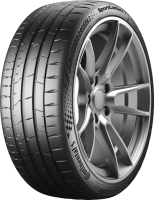
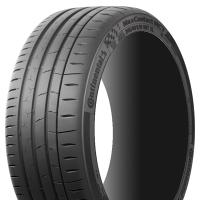
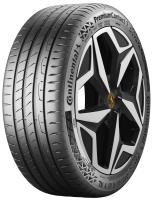
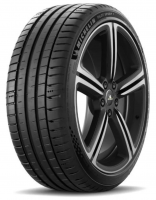
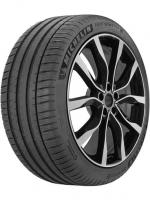
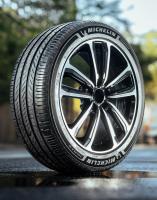
Toutes saisons
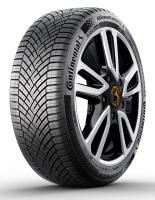
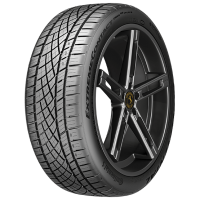

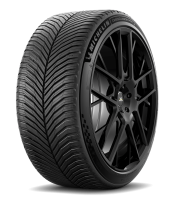
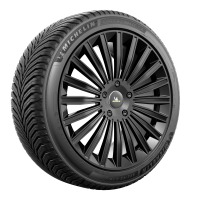
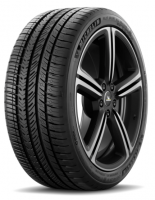
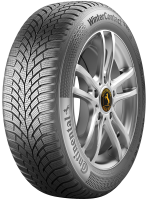
Hiver
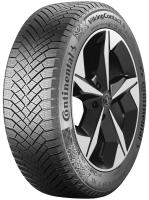
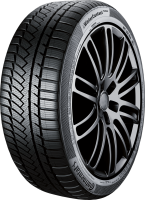
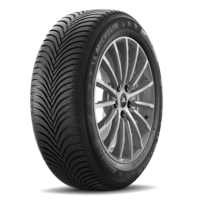
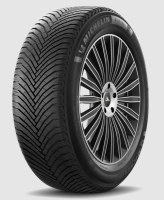
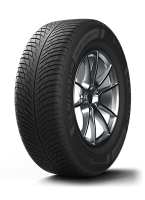
Tous les Temps
 SecureContact AW
8,5 score
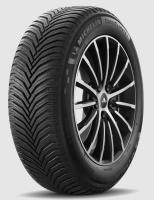 CrossClimate 2 AW
9,4 score
Comparaisons populaires de pneus Continental vs Michelin
Comparaisons tête-à-tête entre des pneus spécifiques de ces marques.
 Continental AllSeasonContact 2 vs Michelin CrossClimate 2
 Continental PremiumContact 7 vs Michelin Primacy 5
 Continental SportContact 7 vs Michelin Pilot Sport 5
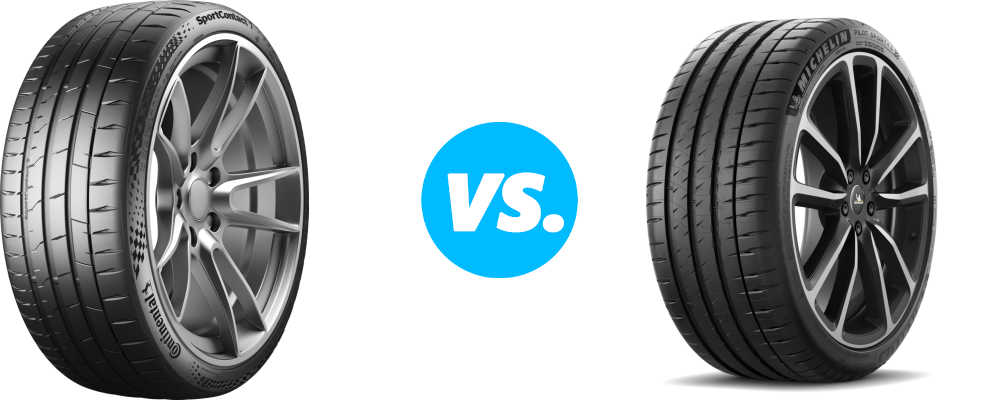 Continental SportContact 7 vs Michelin Pilot Sport 4 S
 Continental PremiumContact 7 vs Michelin Pilot Sport 5
 Continental VikingContact 8 vs Michelin X Ice Snow
Questions fréquemment posées
Est-ce que Continental est meilleur que Michelin ?
Dans 467 tests professionnels partagés, Continental a terminé devant Michelin dans 282 (16 nul), et détient un score d'avis de propriétaire plus élevé de 7,5 contre 8,1 sur 10. Michelin mène sur les avis des propriétaires et la longévité.
Lequel est meilleur sur sol mouillé, Continental ou Michelin?
En Freinage sur sol mouillé, Continental a obtenu en moyenne 38,18 m contre 38,83 m, remportant 166 de 271 tests partagés. En Comportement sur mouillé, Continental a obtenu en moyenne 75,17 km/h contre 74,6 km/h, remportant 71 de 114 tests partagés.
Lequel dure plus longtemps, Continental ou Michelin ?
Dans des tests d'usure de pneus indépendants sur 57 tests partagés, Michelin a duré plus longtemps, avec une moyenne de 48 963 km contre 44 023 km (environ 17% de plus loin) et a gagné 44 d'entre eux. La durée de vie évaluée par les propriétaires est d'accord, à 8 contre 6,6 sur 10.
Lequel est moins cher, Continental ou Michelin ?
Continental est généralement le choix le moins cher, étant moins cher dans 138 de 164 tests partagés, en moyenne environ 7% de moins que Michelin.
Lequel est meilleur en hiver, Continental ou Michelin ?
Sur 161 tests d'hiver partagés, Continental a terminé devant dans 107 d'entre eux. 35% de sa gamme actuelle est certifiée hiver 3PMSF, contre 43% pour Michelin. En Freinage sur neige, Michelin a obtenu en moyenne 22,79 m contre 22,84 m, remportant 77 de 134 tests partagés.
Quelle marque est la plus économe en carburant, Continental ou Michelin?
L'économie de carburant et l'autonomie des VE dépendent de la résistance au roulement. En Résistance au roulement, Continental a obtenu en moyenne 7,72 kg/t contre 7,78 kg/t, remportant 95 de 193 tests partagés. 46% de la gamme actuelle de Continental obtient une note A ou B pour l'efficacité énergétique de l'UE, contre 38% pour Michelin.
Quel est le meilleur pour les voitures électriques, Continental ou Michelin ?
Pour un VE, les priorités sont une faible résistance au roulement pour l'autonomie et un faible bruit pour un habitacle silencieux. Dans les tests de résistance au roulement, qui influence directement l'autonomie des VE, Continental a devancé 95 dans 193 tests partagés. Michelin propose également actuellement 3 pneus spécifiques pour VE contre 2 pour Continental.
Quelle marque est plus silencieuse et plus confortable, Continental ou Michelin?
Les propriétaires notent Michelin plus haut en confort, à 8,1 contre 7,6 sur 10. En Bruit, Michelin a obtenu en moyenne 70,94 dB contre 71,22 dB, remportant 101 de 178 tests partagés.
Les propriétaires achèteraient-ils à nouveau Continental ou Michelin?
Les propriétaires de Michelin sont plus susceptibles d'acheter à nouveau la même marque, notant 7,7 contre 6,6 sur 10 concernant l'achat à nouveau dans 7 310 avis combinés.
Verdict final
If you prioritise outright performance in comparative group tests - especially summer and winter fitments and wet-road security measures - Continental has the stronger record, leading the shared-test head-to-head (273-163) and outperforming Michelin on average finish percentile (81.6 vs 72.8). If your priorities are longevity, comfort and a higher chance you will be happy after thousands of miles, Michelin stands out with longer wear-test life (49,351.52 km vs 44,615.8 km) and the higher owner score (8.05 vs 7.46), plus it leads the all-season head-to-head (33-27).
Overall lean: Continental leads in more test-outcome categories and is more often the cheaper premium buy, while Michelin leads the ownership-value categories that reduce replacement frequency and improve day-to-day satisfaction. Choose Continental if you want maximum odds of a top placing in independent tests for your season and strong wet performance at a typically lower price; choose Michelin if you want to optimise for tread life, comfort, and a stronger all-season and long-term ownership experience.